
Writers are lucky – we don’t require a lot of tools for the job. We can use a simple notebook or an app like Word, Google docs, or Evernote.
Yet there are more complex systems out there for writing. I have avoided things like Scrivener. Most people I know who use it are fairly savvy when it comes to using complex apps. The trouble comes when people spend more time learning how to use the system than doing the writing. I have seen this happen, and it’s a shame to waste so much time setting up the ops. I get suspicious that the helpful app is functioning more as a procrastination ally.
But with my current novel in progress, this time I needed to lay out the scenes in a different way than index cards. I leaned toward Scrivener. Then the learning curve loomed. What do I already have that could work, I thought?
Notion! I have Notion, and have invested considerable time and energy into using it to run my business. I poked around and found a template online ($10). It took less than 3 hours to set up my scenes and chapters. Scriborg is simple yet has everything you would need to organize your novel. It has a lot of features I don’t use for productivity. But seeing the three acts of my novel laid out, with each scene having its own card, is so useful.
Do you use an app or program other than basic word processing for your novel? Leave a comment below!
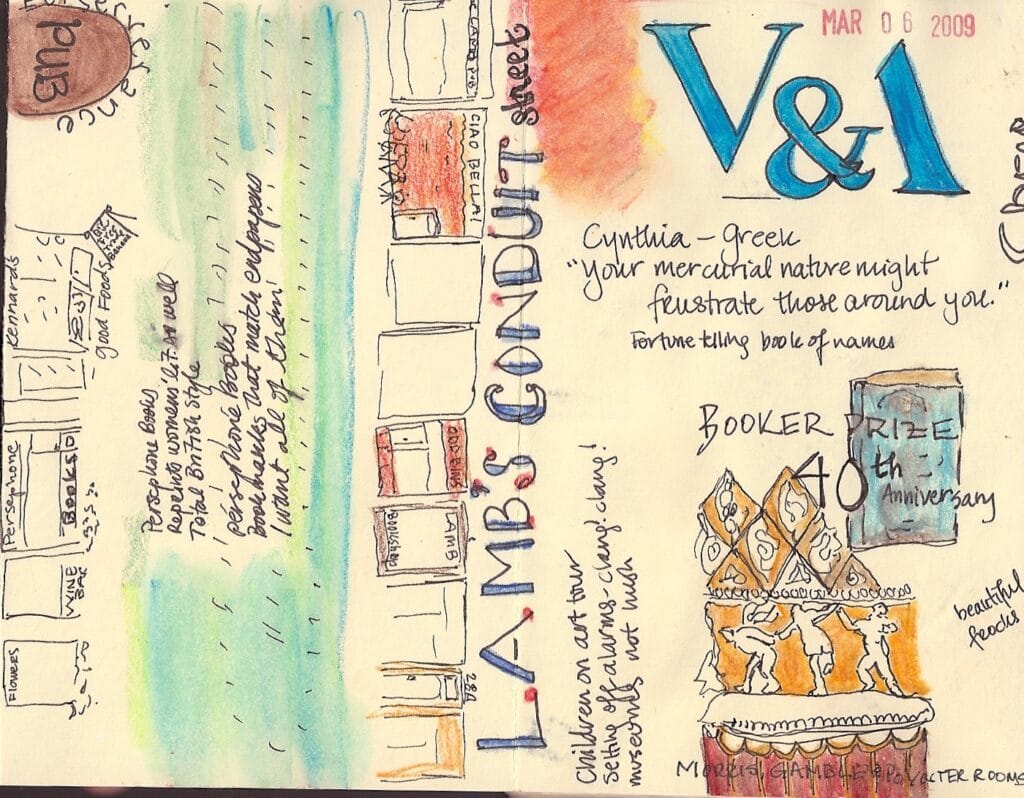 Our main purpose for our writing is to use it as part of our awareness practice. What do you notice? What do your senses pick up? Gathering and capturing information using our senses and quick exercises in our journals will play a big role in our week.


 By keeping my word to myself to write daily since October 20, I’ve gained an enormous amount of self-trust and confidence. Every day I write, I signal to myself that despite all my doubts and insecurities, this project matters.